La edición en español de esta pieza está en preparación.
Miami's source for art, luxury living & technologyEst. 2026
The House
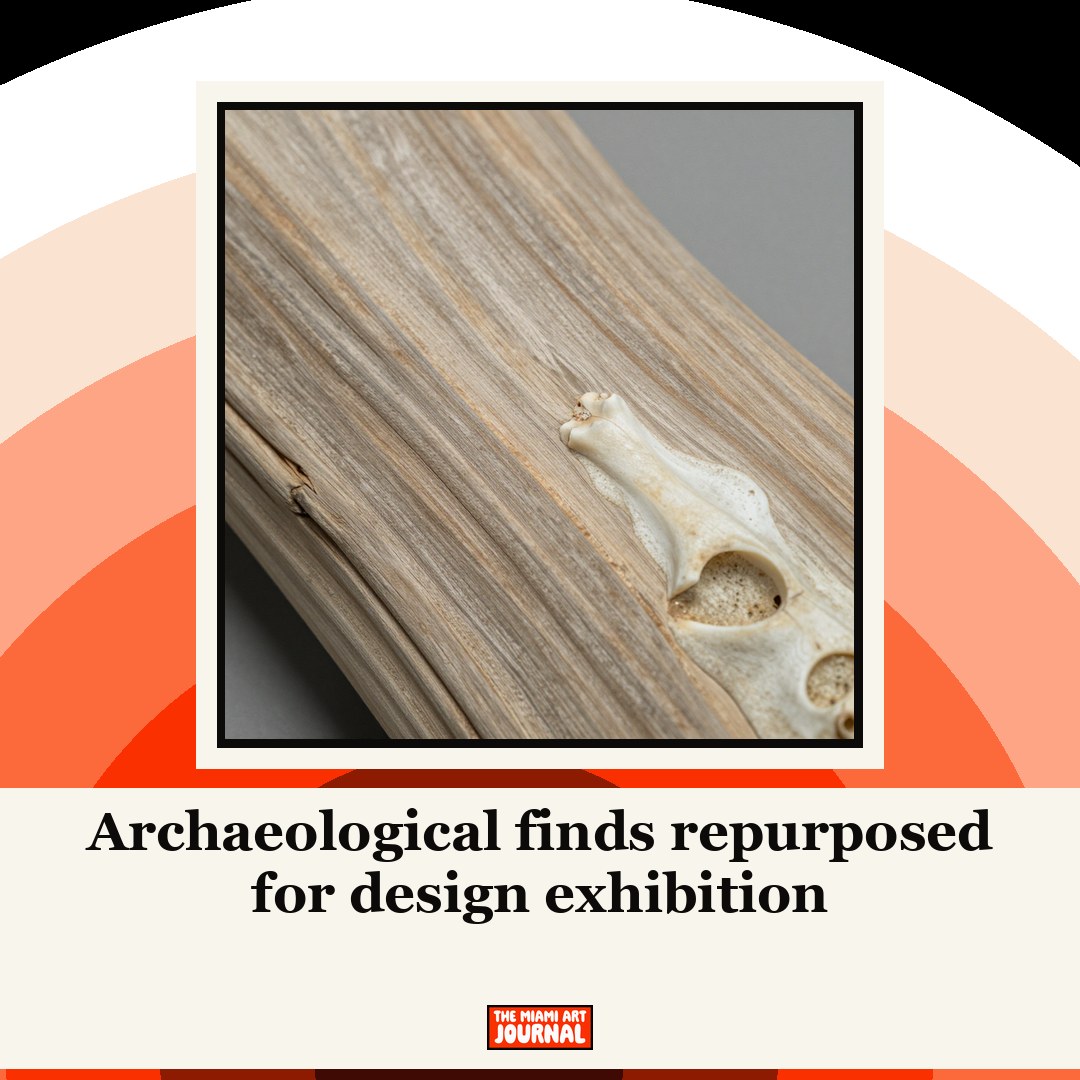
Archaeological finds repurposed for design exhibition
The Editors ·
Dutch designers use deselected artifacts to create new objects for an upcoming exhibition.
The Ex Situ project, set to be exhibited in The Hague, utilizes materials from archaeological digs that have been deselected from official archives. These materials, which include 40,000-year-old mammoth bone, 14th-century ship wood, and leather from the Middle Ages, are considered by archaeologists to have limited research value. According to archaeologist René Isarin, these items are often duplicates, poorly preserved, or otherwise deemed unsuitable for inclusion in museums or depots.
Under Dutch law, deselected archaeological finds that are not intended for educational purposes or reference collections are required to be destroyed. The Ex Situ project, initiated by Dutch designer Marisa Klaster in collaboration with Isarin, seeks to provide an alternative use for these materials. The project explores a category of preservation where artists and designers use such items to communicate heritage in ways distinct from traditional museum practices.
With permission from the province of South Holland, nine Dutch practitioners were given access to these deselected materials. The participants include experts in various crafts such as glassmaking, woodwork, and ceramics. The project aims to test the capacity of design to utilize materials that are otherwise considered surplus to the needs of archaeological study.
During a preview at the Dutch Design Week in the Klokgebouw, several finished pieces were presented. One such work was created by footwear designer and materials researcher Judith Sanders. Sanders utilized a section of the Roman Limes border road, which dates to 125 AD and was constructed during the reign of Emperor Hadrian. The material, originally serving as foundation posts, was incorporated into the heel of a pair of high-heeled shoes to test its structural performance in a modern context.
The exhibition focuses on the transition of these objects from archaeological waste to functional or sculptural design. By utilizing materials that the archaeological community has classified as the lowest quality, the project examines the intersection of historical preservation and contemporary craft.
Takeaway: Deselected archaeological materials in the Netherlands are legally required to be destroyed unless used for research or education.
Hallazgos arqueológicos transformados en piezas de diseño
Diseñadores holandeses dan una nueva vida a artefactos descartados para una próxima exposición.
The Editors · November 23, 2026
El proyecto Ex Situ, que se presentará en The Hague, utiliza materiales de excavaciones arqueológicas que han sido descartados de los archivos oficiales. Estos materiales, que incluyen hueso de mamut de hace 40,000 años, madera de barcos del siglo XIV y cuero de la Edad Media, son considerados por los arqueólogos como de valor limitado para la investigación. Según el arqueólogo René Isarin, estos elementos suelen ser duplicados, están mal conservados o se consideran inadecuados para su inclusión en museos o depósitos.
Bajo la ley holandesa, los hallazgos arqueológicos descartados que no estén destinados a fines educativos o colecciones de referencia deben ser destruidos. El proyecto Ex Situ, iniciado por la diseñadora holandesa Marisa Klaster en colaboración con Isarin, busca ofrecer un uso alternativo para estos materiales. El proyecto explora una categoría de preservación donde artistas y diseñadores utilizan tales elementos para comunicar el patrimonio de formas distintas a las prácticas museísticas tradicionales.
Con el permiso de la provincia de South Holland, nueve profesionales holandeses tuvieron acceso a estos materiales descartados. Los participantes incluyen expertos en diversos oficios como la vidriería, la ebanistería y la cerámica. El proyecto tiene como objetivo poner a prueba la capacidad del diseño para utilizar materiales que, de otro modo, se consideran excedentes para las necesidades del estudio arqueológico.
Durante una presentación previa en la Dutch Design Week en el Klokgebouw, se presentaron varias piezas terminadas. Una de ellas fue creada por la diseñadora de calzado e investigadora de materiales Judith Sanders. Sanders utilizó una sección de la carretera fronteriza Roman Limes, que data del año 125 d.C. y fue construida durante el reinado del emperador Hadrian. El material, que originalmente servía como postes de cimentación, se incorporó al tacón de un par de zapatos de tacón alto para probar su rendimiento estructural en un contexto moderno.
La exposición se centra en la transición de estos objetos, de ser desechos arqueológicos a convertirse en diseño funcional o escultórico. Al utilizar materiales que la comunidad arqueológica ha clasificado como de la más baja calidad, el proyecto examina la intersección entre la preservación histórica y la artesanía contemporánea.
En resumen: En los Países Bajos, la ley exige la destrucción de los materiales arqueológicos descartados, a menos que se utilicen para investigación o educación.