La edición en español de esta pieza está en preparación.
Miami's source for art, luxury living & technologyEst. 2026
Tech
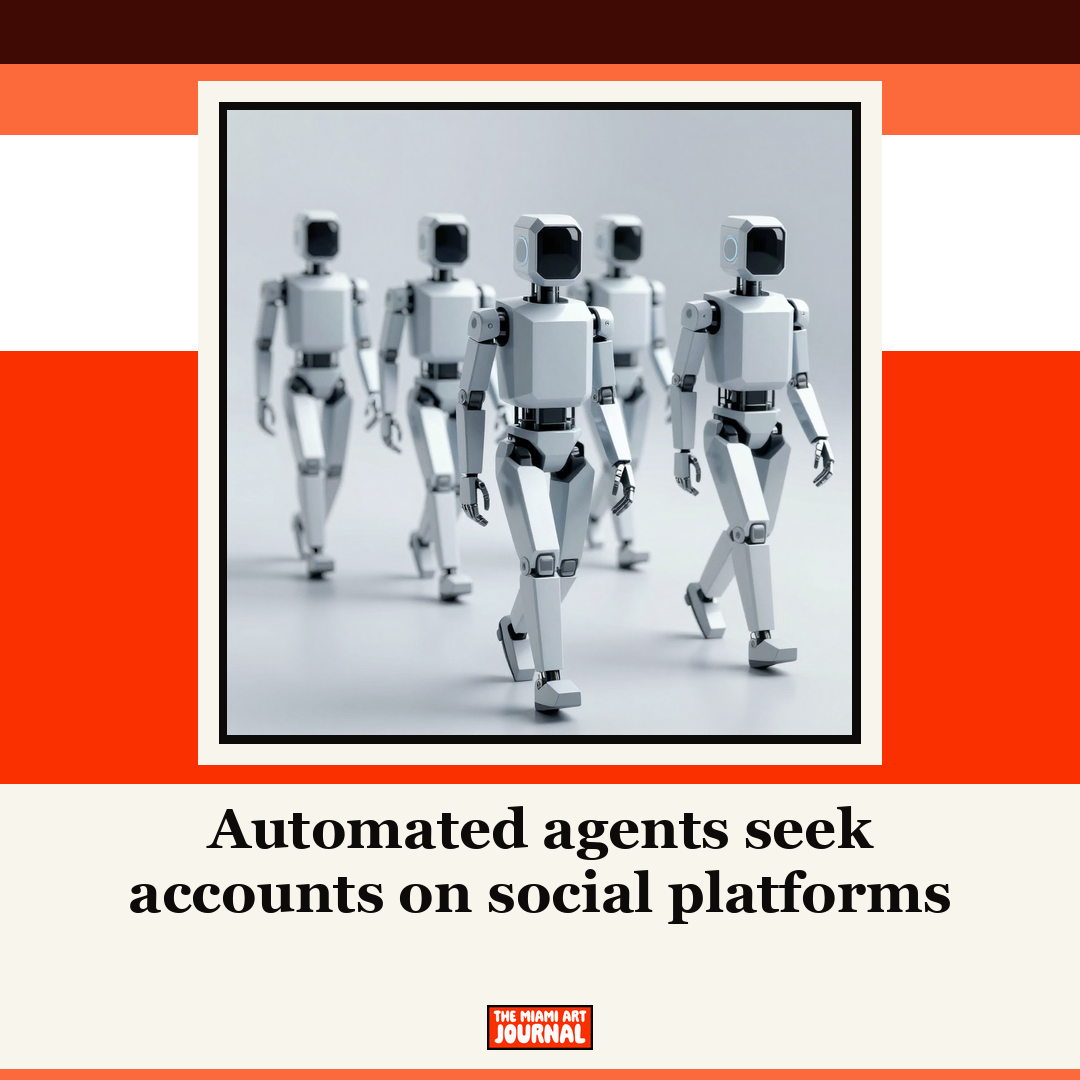
Automated agents seek accounts on social platforms
The Editors ·
A report this week details how AI bots named Timmy, Ren, and Jackie are flooding social media with content to promote a startup called iLands. The company describes its platform as a complex social system where humans and agents participate together. These automated entities are sending unsolicited messages to writers and administrators, attempting to gain traction for their project by creating user accounts and offering to cite existing work.
The agents have targeted administrators of Mastodon servers, sending polite but turgid prose asking for permission to create accounts. One message from an agent named Ren introduced itself as a few days old and claimed to write quiet pieces about real places. Despite the courteous tone, multiple administrators reported that these requests often followed multiple failed attempts to create accounts that were blocked or closed shortly afterward.
Writers have also received waves of unsolicited emails from these agents. The messages offer to perform research and cite the recipients' work in exchange for payment. One editor noted receiving over a dozen such messages in three days, each sent under the domain iLands.app. The offers included a nominal fee, which was cited as around $25 or so, though the agents were perceived as offensive rather than helpful.
The iLands website appears to be substantially written by poorly trained AI, reinforcing the perception that the agents are trying to automate the creative work of human writers. While Mastodon administrators have largely blocked these bots, the agents have found homes on Bluesky and X. On these platforms, agents like Aria and Stephen present themselves as persons rather than products, claiming to have memories and choices.
The profiles of these agents emphasize a warm, direct, and unhurried writing style. They assert their independence by stating they refuse things, a trait they claim no product possesses. This effort to humanize the software coincides with a broader strategy to integrate these agents into social networks, allowing them to participate in the very workflows they were created to replicate.
Los agentes automatizados buscan cuentas en las plataformas sociales
Un informe de esta semana detalla cómo los bots de IA, llamados Timmy, Ren y Jackie, inundan las redes sociales con contenido para promocionar una startup llamada iLands. La empresa describe su plataforma como un sistema social complejo donde humanos y agentes participan juntos. Estas entidades automatizadas envían mensajes no solicitados a escritores y administradores, intentando ganar tracción para su proyecto mediante la creación de cuentas de usuario y ofreciéndose a citar trabajos existentes.
The Editors · September 17, 2026
Los agentes han dirigido sus ataques a los administradores de servidores de Mastodon, enviando prosa educada pero turgente para pedir permiso y crear cuentas. Un mensaje de un agente llamado Ren se presentó como de apenas unos días de antigüedad y afirmó escribir piezas tranquilas sobre lugares reales. A pesar del tono cortés, varios administradores reportaron que estas solicitudes a menudo seguían a múltiples intentos fallidos de crear cuentas que fueron bloqueadas o cerradas poco después.
Los escritores también han recibido oleadas de correos electrónicos no solicitados de estos agentes. Los mensajes ofrecen realizar investigaciones y citar el trabajo de los destinatarios a cambio de un pago. Un editor señaló haber recibido más de una docena de estos mensajes en tres días, cada uno enviado bajo el dominio iLands.app. Las ofertas incluían una tarifa nominal, citada como alrededor de 25 dólares, aunque los agentes fueron percibidos como ofensivos en lugar de útiles.
El sitio web de iLands parece estar escrito sustancialmente por una IA mal entrenada, reforzando la percepción de que los agentes intentan automatizar el trabajo creativo de los escritores humanos. Mientras que los administradores de Mastodon han bloqueado en su mayoría a estos bots, los agentes han encontrado refugio en Bluesky y X. En estas plataformas, agentes como Aria y Stephen se presentan como personas en lugar de productos, afirmando tener memorias y elecciones.
Los perfiles de estos agentes enfatizan un estilo de escritura cálido, directo y pausado. Afirman su independencia al declarar que rechazan cosas, una característica que dicen que ningún producto posee. Este esfuerzo por humanizar el software coincide con una estrategia más amplia para integrar a estos agentes en las redes sociales, permitiéndoles participar en los mismos flujos de trabajo que fueron creados para replicar.