La edición en español de esta pieza está en preparación.
Miami's source for art, luxury living & technologyEst. 2026
The House
Fire Island’s Pyramid House Returns to the Market
The Editors ·
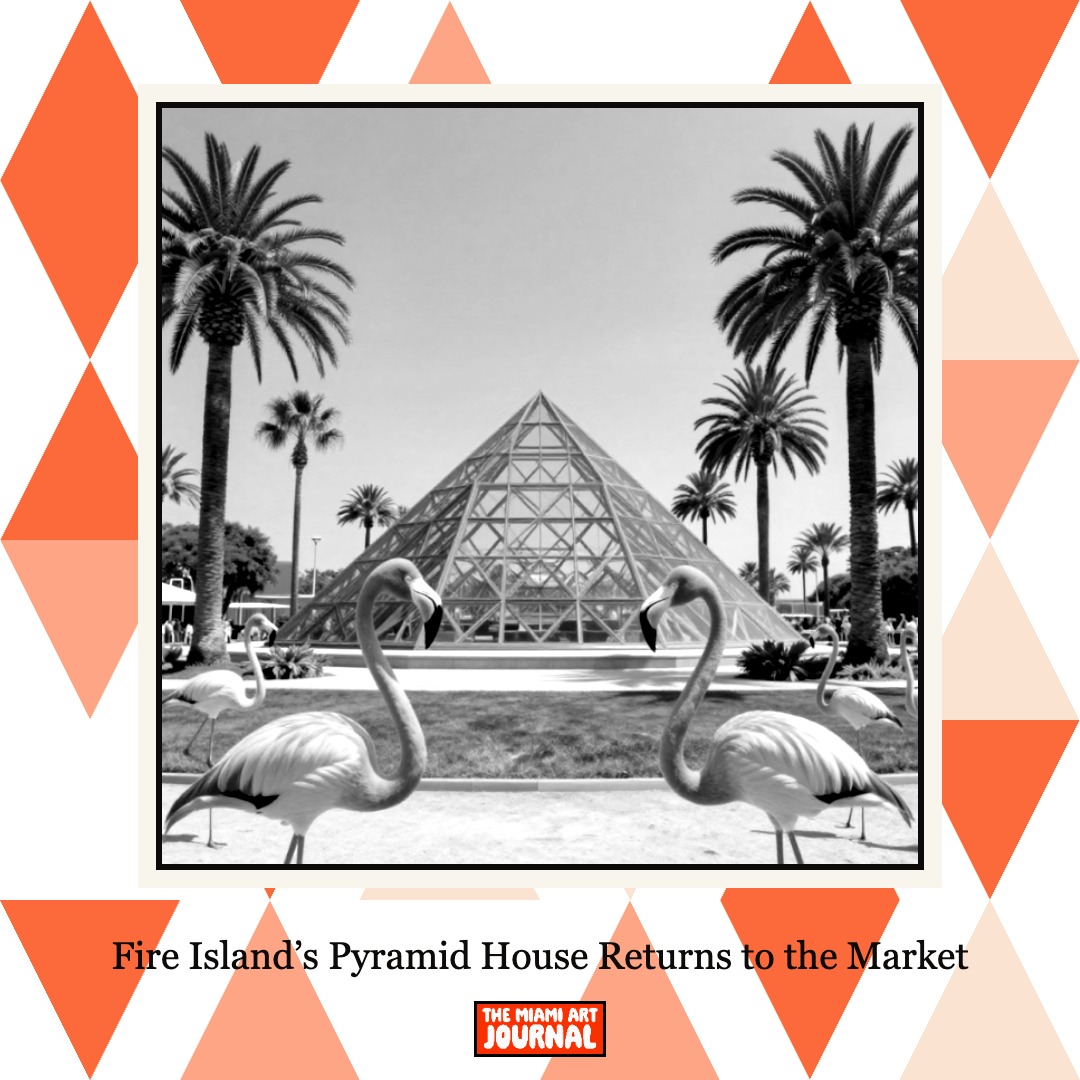
The Robb Report recently noted that the distinctive Pyramid House in Fire Island Pines is back on the market for $3.3 million. This listing marks a significant moment for the property, which was designed more than 60 years ago by Buenos Aires-born architect Julio Kaufman. The publication highlights the home as one of the neighborhood’s most recognizable examples of mid-century modern design, situating it within a broader context of high-value real estate that includes a 151-acre estate in Tuxedo Park and a villa at a Spanish golf resort set to host the 2031 Ryder Cup.
The Robb Report emphasizes the commercial viability and historical curiosity of the structure. It presents the pyramid form as a celebrated artifact, a recognizable icon that has retained its status despite the passage of six decades. By grouping this sale alongside other luxury assets and major cultural events, the article suggests that such architectural anomalies hold enduring appeal for collectors and buyers who view distinctiveness as a primary driver of value.
However, this market-centric view overlooks the specific spatial intentions of the original architect. The current iteration of the house, having undergone a glass-and-steel renovation, prioritizes panoramic commodification over the intimate, protective qualities that originally defined Kaufman’s spatial experiment. The shift from enclosed, thoughtful volumes to expansive, transparent surfaces transforms the experience of inhabiting the pyramid from a curated dialogue with the landscape into a display of visibility.
From an aesthetic standpoint, this renovation risks flattening the complexity of Kaufman’s work. The original design likely relied on the tension between interior shelter and exterior exposure, a balance that creates a sense of refuge. By opening the structure fully to the viewer, the renovation reduces the architecture to a visual object rather than a lived environment. This aligns with a contemporary taste that favors spectacle over subtlety, where the view becomes the product and the home merely the frame.
The return of the Pyramid House to the market at $3.3 million signals a continued demand for recognizable forms, yet it also invites a critique of how we preserve architectural integrity. When transparency becomes the dominant feature, the protective shell that gave the pyramid its character is compromised. The house remains famous, but the nature of that fame has shifted from architectural innovation to marketable distinctiveness.
Takeaway: Seek out spaces that offer protection as much as they offer view, remembering that true spatial experiments prioritize the inhabitant’s experience over the observer’s gaze.
The House
La casa pirámide de Fire Island vuelve al mercado
El Robb Report destaca el retorno a la venta de esta icónica residencia, un hito del modernismo que enfrenta la tensión entre su legado arquitectónico y las exigencias del lujo contemporáneo.
The Editors · September 3, 2026
El Robb Report señaló recientemente que la distintiva Pyramid House en Fire Island Pines ha vuelto al mercado por 3,3 millones de dólares. Esta oferta marca un momento significativo para la propiedad, diseñada hace más de 60 años por el arquitecto Julio Kaufman, nacido en Buenos Aires. La publicación destaca la vivienda como uno de los ejemplos más reconocibles del diseño modernista de mediados de siglo en el barrio, situándola dentro de un contexto más amplio de bienes raíces de alto valor que incluye una finca de 151 acres en Tuxedo Park y una villa en un complejo de golf español que albergará la Copa Ryder de 2031.
El Robb Report enfatiza la viabilidad comercial y la curiosidad histórica de la estructura. Presenta la forma piramidal como un artefacto celebrado, un ícono reconocible que ha mantenido su estatus a pesar del paso de seis décadas. Al agrupar esta venta junto con otros activos de lujo y grandes eventos culturales, el artículo sugiere que tales anomalías arquitectónicas mantienen un atractivo duradero para coleccionistas y compradores que ven la distinción como un impulsor primario del valor.
Sin embargo, esta visión centrada en el mercado pasa por alto las intenciones espaciales específicas del arquitecto original. La versión actual de la casa, tras haber pasado por una renovación de vidrio y acero, prioriza la mercantilización panorámica sobre las cualidades íntimas y protectoras que originalmente definieron el experimento espacial de Kaufman. El cambio de volúmenes cerrados y reflexivos a superficies expansivas y transparentes transforma la experiencia de habitar la pirámide de un diálogo curado con el paisaje a una exhibición de visibilidad.
Desde un punto de vista estético, esta renovación corre el riesgo de aplanar la complejidad de la obra de Kaufman. El diseño original probablemente se basaba en la tensión entre el refugio interior y la exposición exterior, un equilibrio que crea una sensación de resguardo. Al abrir la estructura completamente al espectador, la renovación reduce la arquitectura a un objeto visual en lugar de un entorno vivido. Esto se alinea con un gusto contemporáneo que favorece el espectáculo sobre la sutileza, donde la vista se convierte en el producto y la casa meramente en el marco.
El regreso de la Pyramid House al mercado por 3,3 millones de dólares señala una demanda continua por formas reconocibles, pero también invita a una crítica sobre cómo preservamos la integridad arquitectónica. Cuando la transparencia se convierte en la característica dominante, la cáscula protectora que dio a la pirámide su carácter se ve comprometida. La casa sigue siendo famosa, pero la naturaleza de esa fama ha cambiado de innovación arquitectónica a distinción comercializable.
Conclusión: Busque espacios que ofrezcan protección tanto como vistas, recordando que los verdaderos experimentos espaciales priorizan la experiencia del habitante sobre la mirada del observador.
Edición en español traducida por Mars, el sistema de la casa. Revisión del editor: pendiente.