La edición en español de esta pieza está en preparación.
Miami's source for art, luxury living & technologyEst. 2026
The Season
Reclaiming Heritage from the Clutches of Time
Ancient Provenance In The Balance
The Editors ·
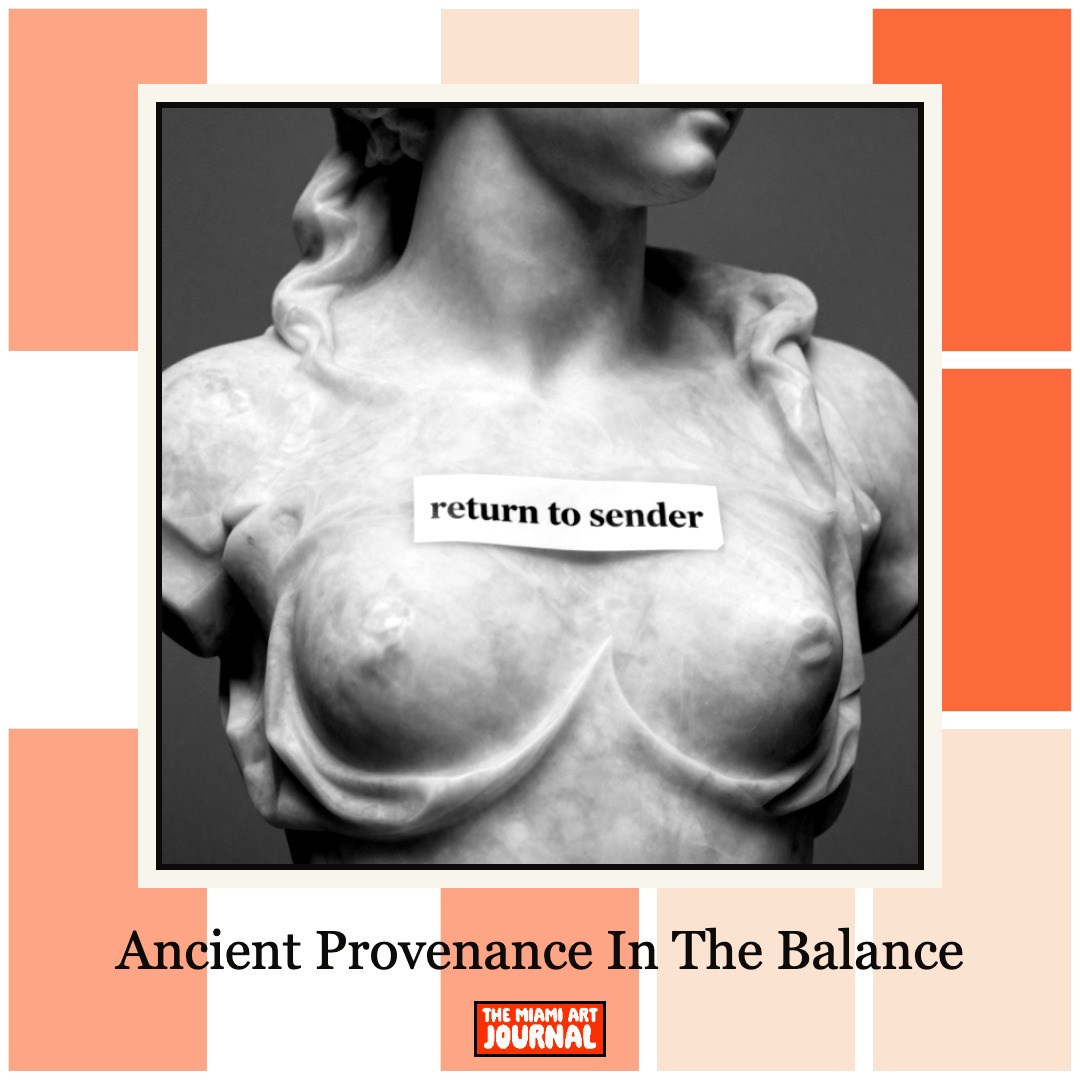
The recent reporting from Artforum highlights a significant shift in cultural policy, noting that the U.K. Prime Minister has retracted support for the return of the Parthenon Marbles to Greece. This development underscores the ongoing tension between major institutional holders and the nations of origin regarding antiquities. While the political maneuvering may be complex, the artistic and historical implications remain starkly clear for the collectors and curators who shape our city’s aesthetic environment.
The debate often centers on preservation and access, yet it frequently overlooks the deeper roots of these objects. Each culture's memory and heritage should be respectfully considered when handling issues of art of antiquity. When we view these pieces solely as commodities or static artifacts within a gallery wall, we strip them of their vital context. The marbles were not designed for the sterile air of a London museum but for the sun-drenched marble of the Acropolis, where they spoke directly to the sky and the sea.
There is a pervasive sense of entitlement that grows with duration. We all experience this, someone borrows something for a long time until they think it's theirs. Possession of an item for a long time is not the same as ultimate ownership, especially in terms of what could arguably be concieved of as family heirlooms. In this case, the family is a nation. The distinction between temporary custody and rightful stewardship is crucial for any serious collector who values integrity over mere acquisition.
True stewardship requires more than just secure storage; it demands ethical accountability. If I took something that is rightfully yours, it is my duty to return it in better condition than it was taken. This principle applies not just to the physical state of the stone, but to its cultural integrity. Restoring these items to their place of origin is not a loss for the global art market; it is a restoration of the correct aesthetic and spiritual relationship between the object and its people.
The market for antiquities must evolve beyond the logic of hoarding. By facilitating the return of these treasures, we acknowledge that their value is inextricably linked to their origin. This is not about erasing history but about correcting the geography of cultural memory. It is a move that honors the past while respecting the sovereignty of the present.
Takeaway: Support the repatriation of antiquities to ensure they are appreciated in the context that gives them true meaning.
The Season
Recuperar el patrimonio de las garras del tiempo
El antiguo origen en el balance
The Editors · September 2, 2026
La reciente cobertura de Artforum destaca un cambio significativo en la política cultural, señalando que el primer ministro del Reino Unido ha retirado su apoyo a la devolución de los Mármoles del Partenón a Grecia. Este desarrollo subraya la tensión continua entre los grandes titulares institucionales y las naciones de origen en lo que respecta a las antigüedades. Aunque la maniobra política pueda ser compleja, las implicaciones artísticas e históricas permanecen nítidamente claras para los coleccionistas y curadores que moldean el entorno estético de nuestra ciudad.
El debate a menudo se centra en la preservación y el acceso, pero frecuentemente pasa por alto las raíces más profundas de estos objetos. La memoria y el patrimonio de cada cultura deben considerarse con respeto al abordar cuestiones de arte antiguo. Cuando vemos estas piezas únicamente como mercancías o artefactos estáticos dentro de una pared de galería, las despojamos de su contexto vital. Los mármoles no fueron diseñados para el aire estéril de un museo de Londres, sino para el mármol bañado por el sol del Acrópolis, donde hablaban directamente al cielo y al mar.
Existe una sensación de derecho que crece con la duración. Todos experimentamos esto: alguien toma prestado algo durante mucho tiempo hasta que piensa que es suyo. La posesión de un artículo durante largo tiempo no es lo mismo que la propiedad definitiva, especialmente en términos de lo que podría argumentarse como herencias familiares. En este caso, la familia es una nación. La distinción entre custodia temporal y custodia legítima es crucial para cualquier coleccionista serio que valore la integridad por encima de la mera adquisición.
La verdadera custodia requiere más que solo un almacenamiento seguro; exige responsabilidad ética. Si tomara algo que es legítimamente suyo, es mi deber devolverlo en mejor estado de lo que fue tomado. Este principio se aplica no solo al estado físico de la piedra, sino a su integridad cultural. Devolver estos objetos a su lugar de origen no es una pérdida para el mercado del arte global; es una restauración de la relación estética y espiritual correcta entre el objeto y su pueblo.
El mercado de las antigüedades debe evolucionar más allá de la lógica del acaparamiento. Al facilitar la devolución de estos tesoros, reconocemos que su valor está inextricablemente ligado a su origen. Esto no se trata de borrar la historia, sino de corregir la geografía de la memoria cultural. Es un movimiento que honra el pasado mientras respeta la soberanía del presente.
Conclusión: Apoye la repatriación de las antigüedades para asegurar que sean apreciadas en el contexto que les da su verdadero significado.
Edición en español traducida por Mars, el sistema de la casa. Revisión del editor: pendiente.