La edición en español de esta pieza está en preparación.
Miami's source for art, luxury living & technologyEst. 2026
Sponsored
The House
The Last Luxury Is a House That Keeps Its Own Counsel
Amazon's Ring now sells a camera that flies through your rooms. A new book argues the most expensive homes are about to lose the one thing money used to buy.
The Editors ·
On November 10, Amazon's Ring opened a new line it calls Ring Robotics. The first product is the Ring Drone Cam, a 249.99-dollar camera that lifts off its dock and flies a patrol through the inside of a house, on a schedule or when an alarm trips. It ships in January. Beside it sits a 999-dollar wheeled robot, built on Amazon's Astro, that patrols offices and warehouses. Both run on software Ring calls AI Pilot, which maps the space and suggests where to patrol. Ring says the drone's camera is off while it rests in its dock. Privacy objections arrived the same day, sharpened by the backlash to Ring's pet-finding Search Party feature earlier this year.
What it means in a house like the ones in this city
A great house in Miami has always sold seclusion: the gate, the hedge, the staff who are vetted and the guests who are not photographed. What it protects is not only the art on the walls. It is the plan of the rooms, the hours the family keeps, which door is used at night, where the safe is. A camera that learns a floor plan well enough to fly it holds exactly that knowledge. The question for an owner is no longer whether the house is watched. It is who keeps the map.
A book that saw it coming
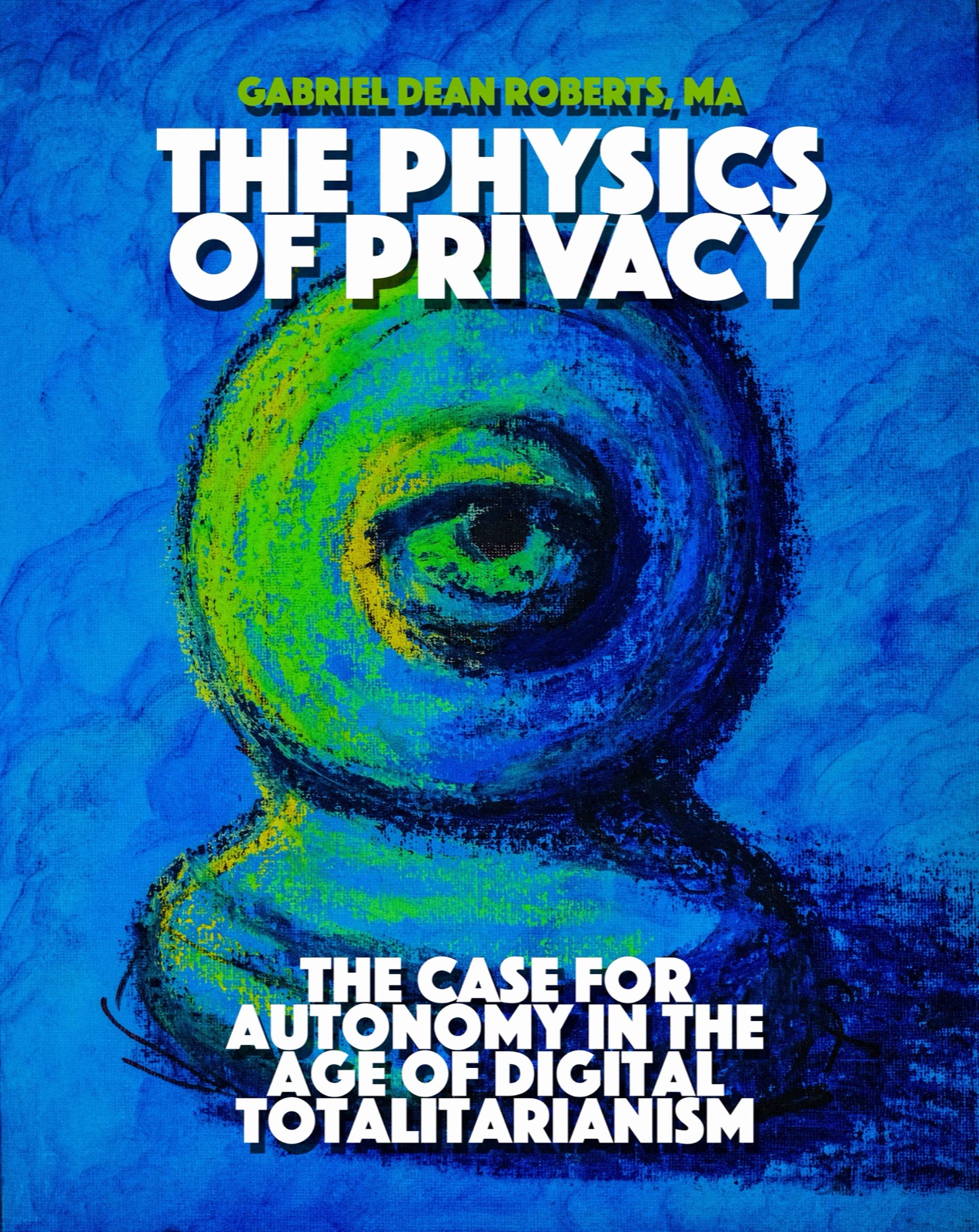
The Physics of Privacy: The Case for Autonomy in the Age of Digital Totalitarianism (2026) asks the luxury question bluntly. Its author, Gabriel Dean Roberts, founded Oak Forest Robotics, which publishes this Journal, and we say so plainly. What good is a multimillion-dollar home full of devices that answer to your voice, he asks, if the ownership of those devices lives somewhere else? A private jet is a luxury because it keeps prying eyes away, yet in technology the wealthiest families use the same free email, the same social media and the same extractive devices as everyone else. In his words: "As we gain wealth and status, our privacy actually shrinks."
A chapter called "The Flattening of the Estate" supplies the history. Great houses were built as concentric rings of access: an outer court for anyone with business, a middle ring for people known to the household, an inner ring for those the family trusted, and a room where decisions were made that almost no one entered. Each ring, Roberts writes, was enforced not by policy but by architecture. He asks the same of the intelligence in a home: that it belong to the household, keep its memory under its own roof, and, when it must ask an outside model anything, send a question with no names attached.
The useful thing
Before any device that maps a home comes through the door, ask three questions, in writing if you can: - Where does the map live? On a device in the house, or on a server you will never see? - Does it still work with the internet cut? A guard that stops when the router does is not guarding the house. - Who else can ask for what it saw? Read the terms for requests from law enforcement, insurers and the company's own staff.
If the answers are vague, the product is not built for a house that keeps its own counsel.
The Physics of Privacy by Gabriel Dean Roberts is available on Amazon: amazon.com/dp/B0H7W4DDTN.
The House
El último lujo es una casa que guarda sus propios secretos
Ring, de Amazon, ahora vende una cámara que vuela por sus habitaciones. Un nuevo libro sostiene que las mansiones más costosas están a punto de perder aquello que antes solo se podía comprar con dinero.
The Editors · November 11, 2026
El 10 de noviembre, Ring, de Amazon, inauguró una nueva línea llamada Ring Robotics. El primer producto es la Ring Drone Cam, una cámara de 249.99 dólares que despega de su base y realiza un patrullaje por el interior de una casa, ya sea siguiendo un horario o cuando se activa una alarma. Estará disponible en enero. Junto a ella se encuentra un robot con ruedas de 999 dólares, basado en el Astro de Amazon, diseñado para patrullar oficinas y almacenes. Ambos funcionan con un software que Ring denomina AI Pilot, el cual mapea el espacio y sugiere dónde patrullar. Ring afirma que la cámara del dron permanece apagada mientras descansa en su base. Las objeciones sobre la privacidad surgieron el mismo día, agravadas por la reacción negativa ante la función Search Party de Ring para localizar mascotas a principios de este año.
Lo que esto significa en una casa como las de esta ciudad
Una gran casa en Miami siempre ha vendido exclusividad: el portón, el seto, el personal verificado y los invitados que no son fotografiados. Lo que protege no es solo el arte en las paredes. Es la distribución de las habitaciones, los horarios de la familia, qué puerta se usa por la noche o dónde está la caja fuerte. Una cámara que aprende un plano lo suficientemente bien como para volar por él, posee precisamente ese conocimiento. La pregunta para el propietario ya no es si la casa está siendo vigilada. Es quién guarda el mapa.
Un libro que lo predijo
The Physics of Privacy: The Case for Autonomy in the Age of Digital Totalitarianism (2026) plantea la pregunta sobre el lujo de forma directa. Su autor, Gabriel Dean Roberts, fundó Oak Forest Robotics, firma que publica este Journal, y lo decimos con total claridad. ¿De qué sirve una casa multimillonaria llena de dispositivos que responden a su voz, se pregunta, si la propiedad de esos dispositivos reside en otro lugar? Un jet privado es un lujo porque mantiene alejadas las miradas indiscretas, sin embargo, en el ámbito tecnológico, las familias más ricas utilizan el mismo correo electrónico gratuito, las mismas redes sociales y los mismos dispositivos extractivos que todos los demás. En sus palabras: "A medida que ganamos riqueza y estatus, nuestra privacidad, en realidad, se reduce".
Un capítulo titulado "The Flattening of the Estate" aporta el contexto histórico. Las grandes mansiones se construyeron como anillos concéntricos de acceso: un patio exterior para cualquiera con asuntos que tratar, un anillo intermedio para personas conocidas por la casa, un anillo interno para aquellos en quienes la familia confiaba, y una habitación donde se tomaban decisiones en la que casi nadie entraba. Cada anillo, escribe Roberts, se imponía no por políticas, sino por arquitectura. Él exige lo mismo a la inteligencia de un hogar: que pertenezca a la casa, que mantenga su memoria bajo su propio techo y que, cuando deba consultar algo a un modelo externo, envíe una pregunta sin nombres asociados.
Lo que es útil saber
Antes de que cualquier dispositivo que mapee un hogar cruce la puerta, haga tres preguntas, por escrito si es posible: - ¿Dónde reside el mapa? ¿En un dispositivo dentro de la casa, o en un servidor que usted nunca verá? - ¿Sigue funcionando si se corta el internet? Un guardia que se detiene cuando se apaga el router no está vigilando la casa. - ¿Quién más puede solicitar lo que ha visto? Lea los términos sobre solicitudes de las autoridades, aseguradoras y del propio personal de la empresa.
Si las respuestas son vagas, el producto no está diseñado para una casa que guarda sus propios secretos.
The Physics of Privacy de Gabriel Dean Roberts está disponible en Amazon: amazon.com/dp/B0H7W4DDTN.
Edición en español traducida por Mars, el sistema de la casa. Revisión del editor: pendiente.