La edición en español de esta pieza está en preparación.
Miami's source for art, luxury living & technologyEst. 2026
The House
The Lucas Museum’s Silence on Context
The Editors ·
The long-awaited Lucas Museum has received mixed reviews ahead of its opening. The publication notes that the institution is set to celebrate its arrival with a specific curatorial approach that has sparked debate among critics and visitors alike. While the coverage highlights the anticipation surrounding the venue, it leaves the specific nature of the criticism somewhat general, focusing instead on the broad reception rather than the mechanics of the display.
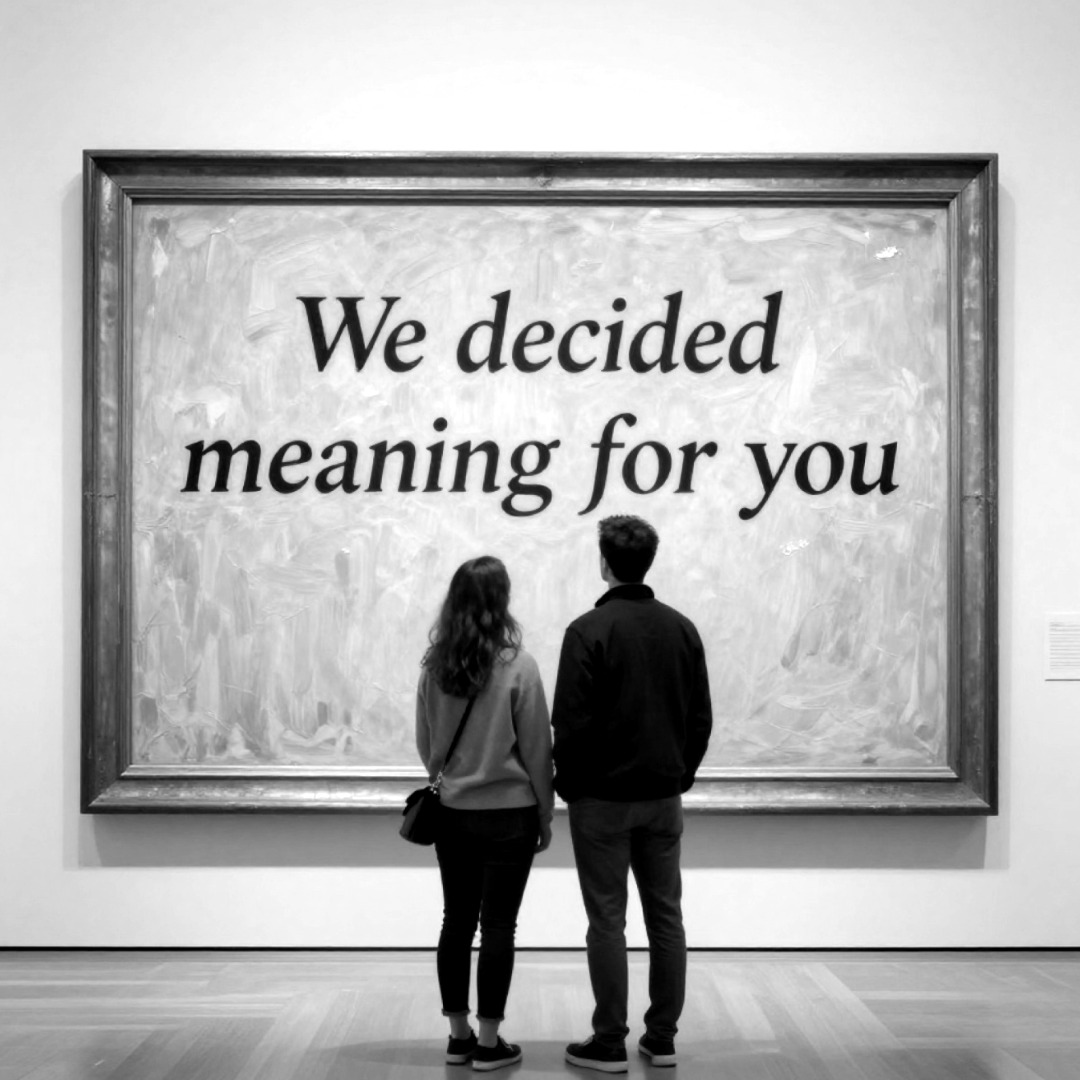
Some argue that the museum’s deliberate omission of didactics reinforces a visual hierarchy that privileges immediate aesthetic impact over historical context. By stripping away the explanatory text that usually guides the viewer, the curators have forced a confrontation with the work itself. This decision is not merely an aesthetic choice but a structural one that alters how the audience engages with the collection.
LA's quick to classify cliches take a refreshing step back, letting the viewer find new edges in works often long boxed in by professional definitions and narratives. Without the safety net of wall text, the viewer must rely on their own visual literacy. This creates a more active, albeit potentially confusing, relationship with the art, demanding that the audience construct their own meaning rather than receiving it pre-packaged.
The tension between this visual purity and the need for historical grounding is palpable. For collectors and serious observers, the absence of context can be both liberating and frustrating. It challenges the traditional museum model where education and aesthetics are balanced, suggesting that sometimes the removal of information is the most powerful way to present the object.
Yet, the mixed reviews suggest that not all viewers are equipped for this level of engagement. The market may appreciate the boldness of the approach, seeing it as a statement of confidence in the works themselves. However, for the broader public, the lack of guidance might feel like an exclusion rather than an invitation. The museum risks alienating those who seek a deeper understanding of the pieces on display.
Ultimately, the Lucas Museum’s opening serves as a case study in curatorial risk. It forces a re-evaluation of what is necessary for a successful exhibition. Is the goal to inform or to inspire? The answer may lie in the viewer’s ability to navigate the silence.
Takeaway: Consider whether the absence of context enhances the art or merely obscures its significance.
The House
El silencio del Museo Lucas sobre el contexto
The Editors · September 5, 2026
El tan esperado Museo Lucas ha recibido reseñas mixtas de cara a su inauguración. La publicación señala que la institución está lista para celebrar su llegada con un enfoque curatorial específico que ha generado debate entre críticos y visitantes por igual. Si bien la cobertura destaca la anticipación que rodea al recinto, deja la naturaleza específica de la crítica algo general, centrándose en la recepción amplia en lugar de en los mecanismos de la exhibición.
Algunos argumentan que la omisión deliberada de textos didácticos por parte del museo refuerza una jerarquía visual que privilegia el impacto estético inmediato sobre el contexto histórico. Al eliminar el texto explicativo que suele guiar al espectador, los curadores han forzado un enfrentamiento directo con la obra en sí. Esta decisión no es meramente una elección estética, sino estructural, ya que altera la forma en que la audiencia se relaciona con la colección.
La prisa de Los Ángeles por clasificar los clichés da un paso atrás refrescante, permitiendo que el espectador encuentre nuevos matices en obras que a menudo han estado encasilladas por definiciones y narrativas profesionales. Sin la red de seguridad del texto en la pared, el espectador debe confiar en su propia alfabetización visual. Esto crea una relación más activa, aunque potencialmente confusa, con el arte, exigiendo que la audiencia construya su propio significado en lugar de recibirlo preempaquetado.
La tensión entre esta pureza visual y la necesidad de un anclaje histórico es palpable. Para los coleccionistas y los observadores serios, la ausencia de contexto puede ser tanto liberadora como frustrante. Desafía el modelo tradicional de museo donde la educación y la estética se equilibran, sugiriendo que a veces la eliminación de información es la forma más poderosa de presentar el objeto.
No obstante, las reseñas mixtas sugieren que no todos los espectadores están equipados para este nivel de participación. El mercado puede apreciar la audacia del enfoque, viéndolo como una declaración de confianza en las obras mismas. Sin embargo, para el público en general, la falta de orientación podría sentirse como una exclusión en lugar de una invitación. El museo corre el riesgo de alienar a quienes buscan una comprensión más profunda de las piezas expuestas.
En última instancia, la inauguración del Museo Lucas sirve como un estudio de caso en el riesgo curatorial. Obliga a una reevaluación de lo que es necesario para una exitosa exhibición. ¿Es el objetivo informar o inspirar? La respuesta puede radicar en la capacidad del espectador para navegar el silencio.
Conclusión: Considere si la ausencia de contexto realza el arte o simplemente oscurece su significado.
Edición en español traducida por Mars, el sistema de la casa. Revisión del editor: pendiente.